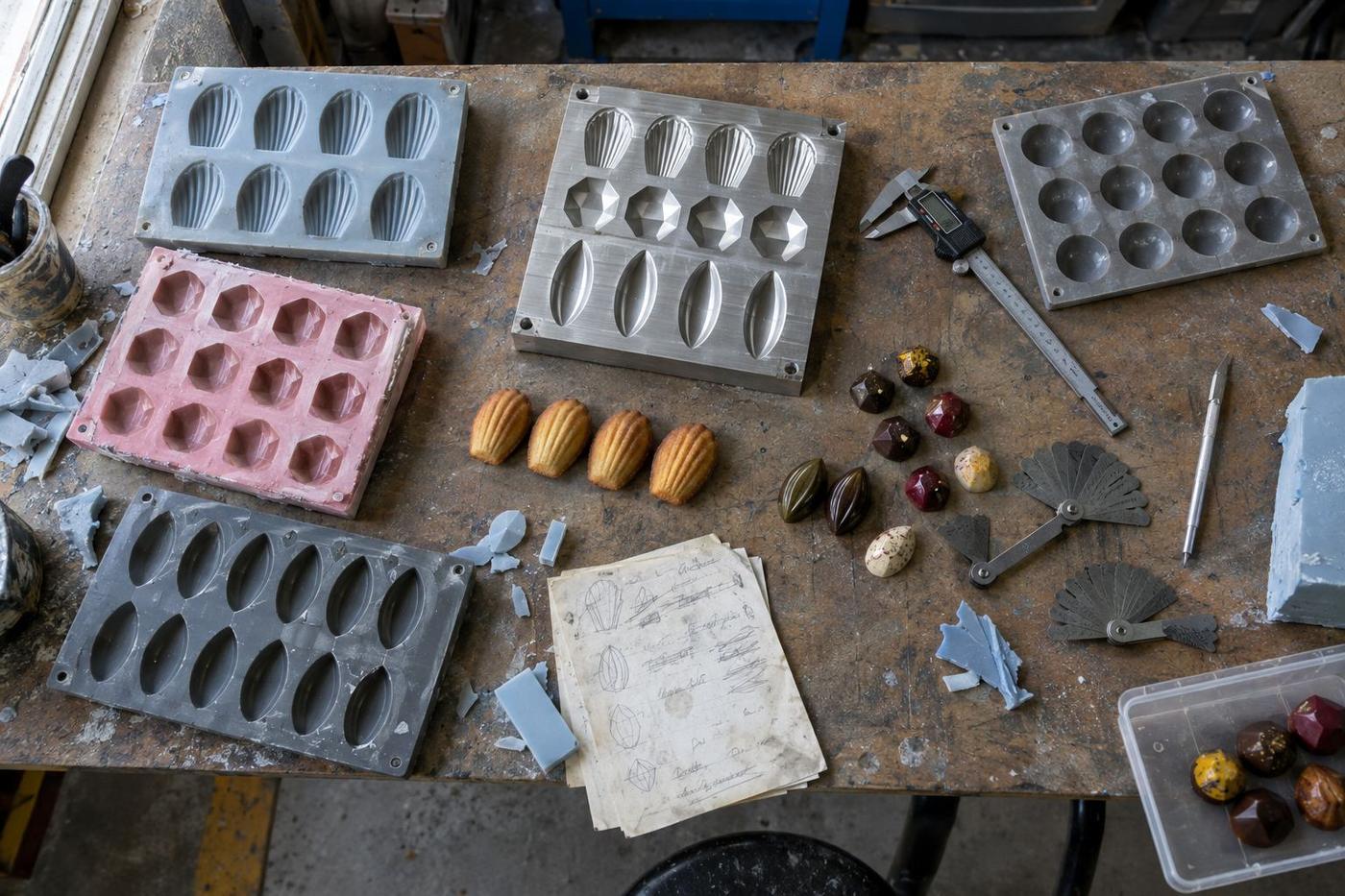
What the dish or product is
Describe or show us what you're making — a mould is designed around a product, not in the abstract.
Service · bespoke
If a catalogue mould covered every dish, chefs wouldn't need us. Bespoke cavity work is what we do most days.
Overview
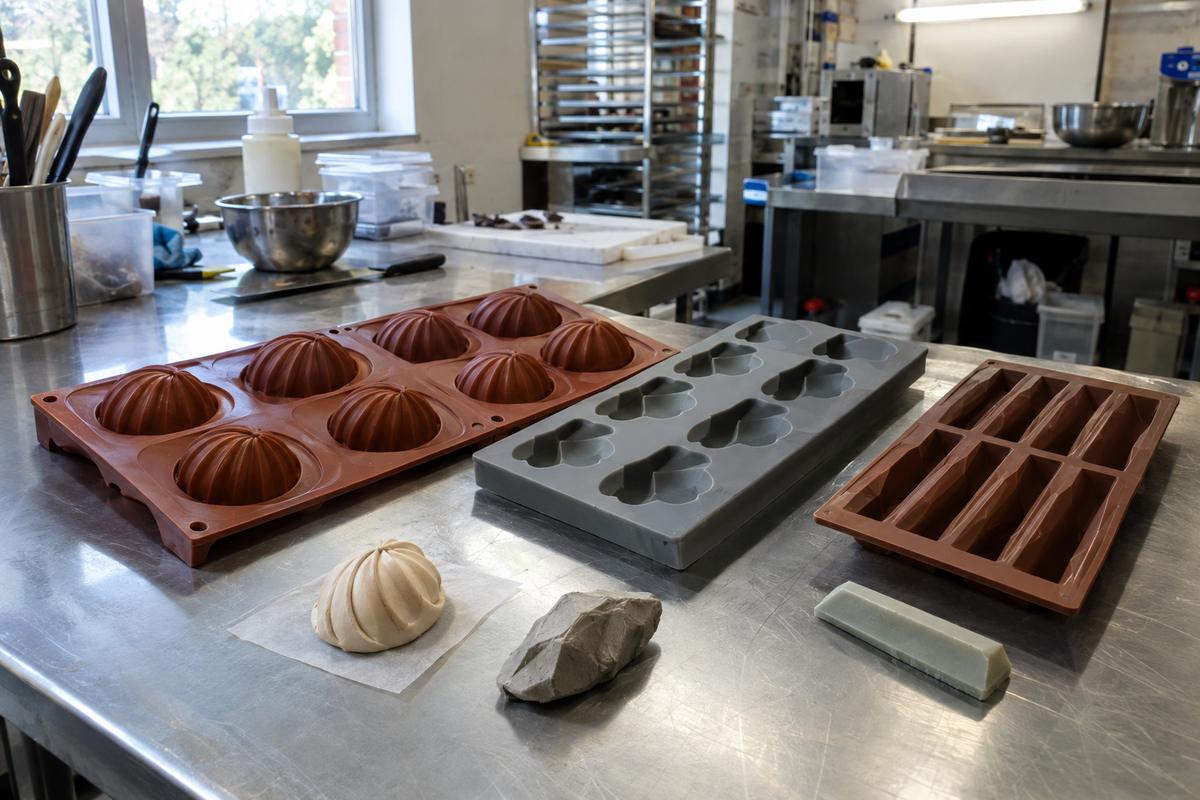
Custom shape work is the largest single reason our customers come to us. A restaurant wants a plated dessert nobody else has. A confectioner wants a signature outline. A patisserie chain wants a proprietary bar.
We take the sketch, the photo, the sample or the description and turn it into a food-contact mould. One-off, small run, or scaled up if it lands.
What we make
A drawing on the back of a receipt is a starting point. We'll turn it into a working cavity.
You've carved a form in wax, in blue foam, in fondant. Send it. We'll lift the geometry and pour a mould.
A shape you like from a competitor or from a foreign market. We'll assess it, propose a legitimately different version, and mould that.
Sometimes it's just words. We'll sketch it back, agree what you actually meant, and go from there.
We build the first cavity, you test it, we scale to a tray if it works.
How it gets made
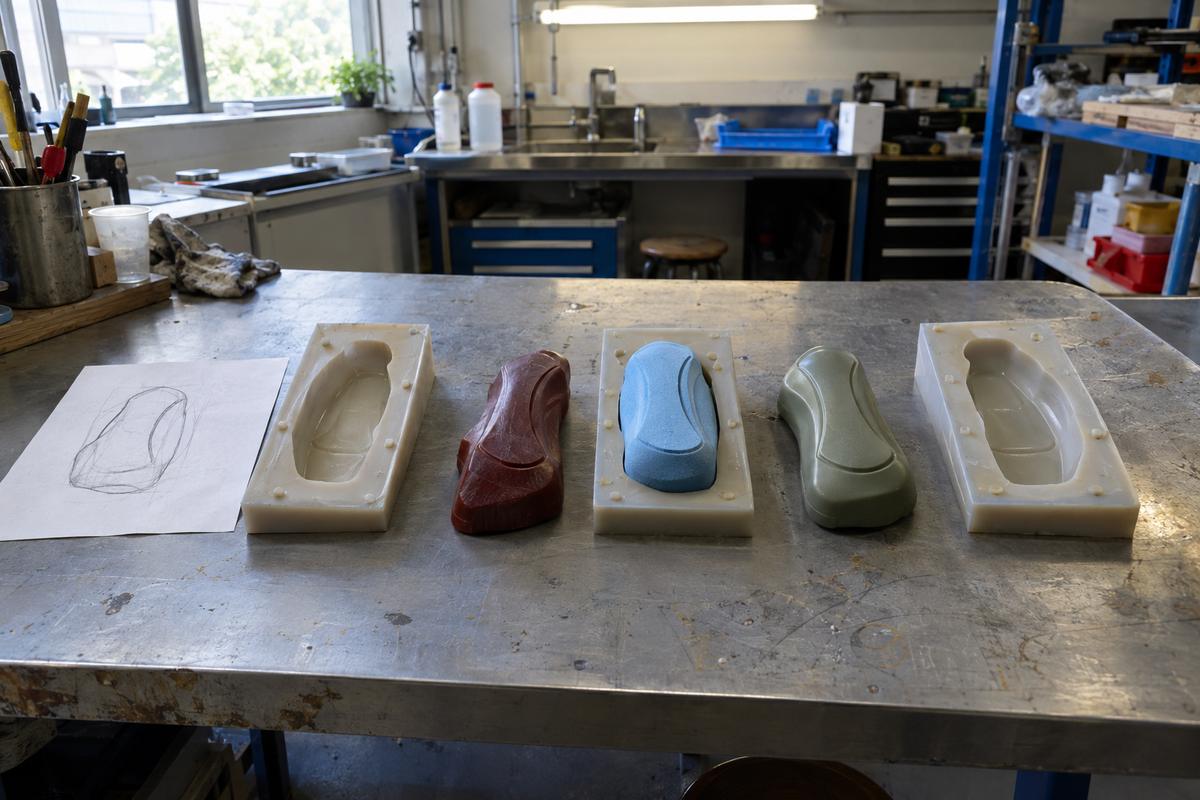
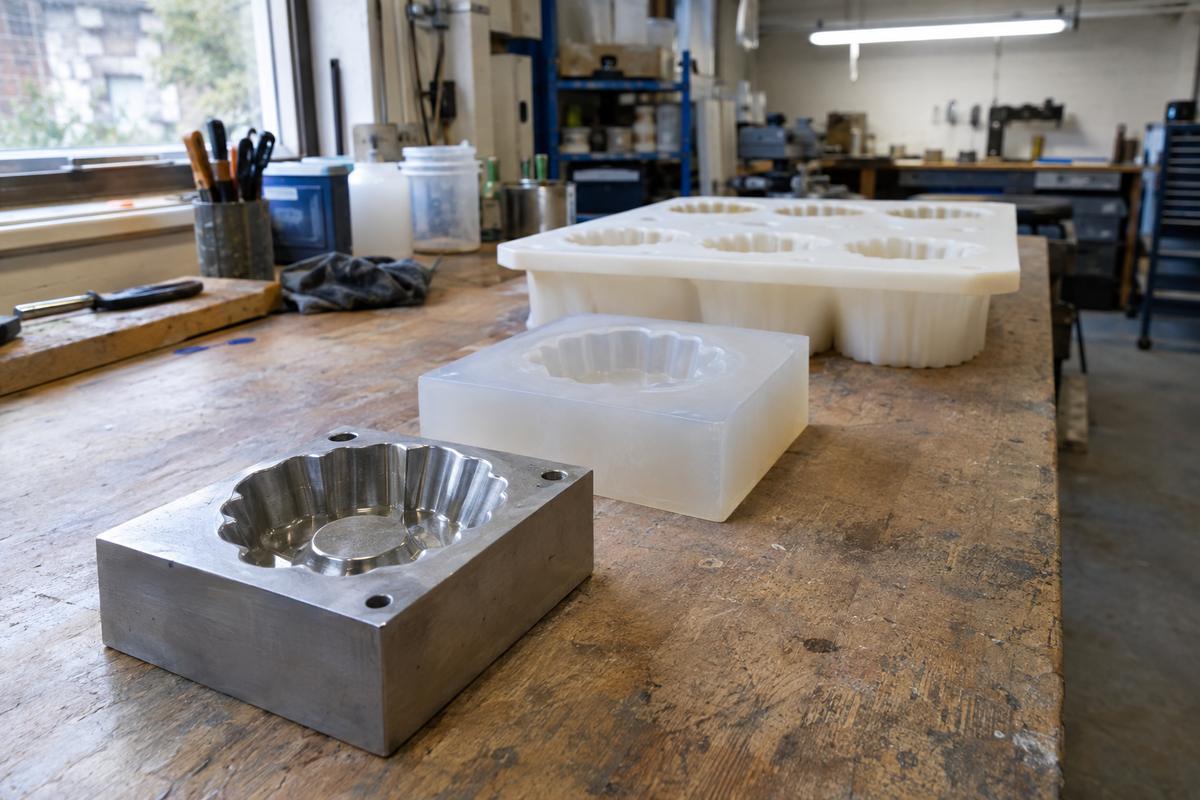
Every mould starts as a drawing we agree with you. We make a master, pour a single proof cavity in PFAS-free platinum-cure food-grade silicone and let you test it with your own recipe.
Once you are happy, we pour or press the full tray, record the grade against your order and keep the drawing on file for reorders.
What we ask up front
Describe or show us what you're making — a mould is designed around a product, not in the abstract.
Portion size, plate size, weight, cavity count on the tray. Give us what you know.
Chef, brand team, food safety. Tell us who needs to see what, when. We build sign-off checkpoints into the schedule.
One dessert on one menu, or a range across ten venues. Both are valid; both drive different tool choices.
Typical work
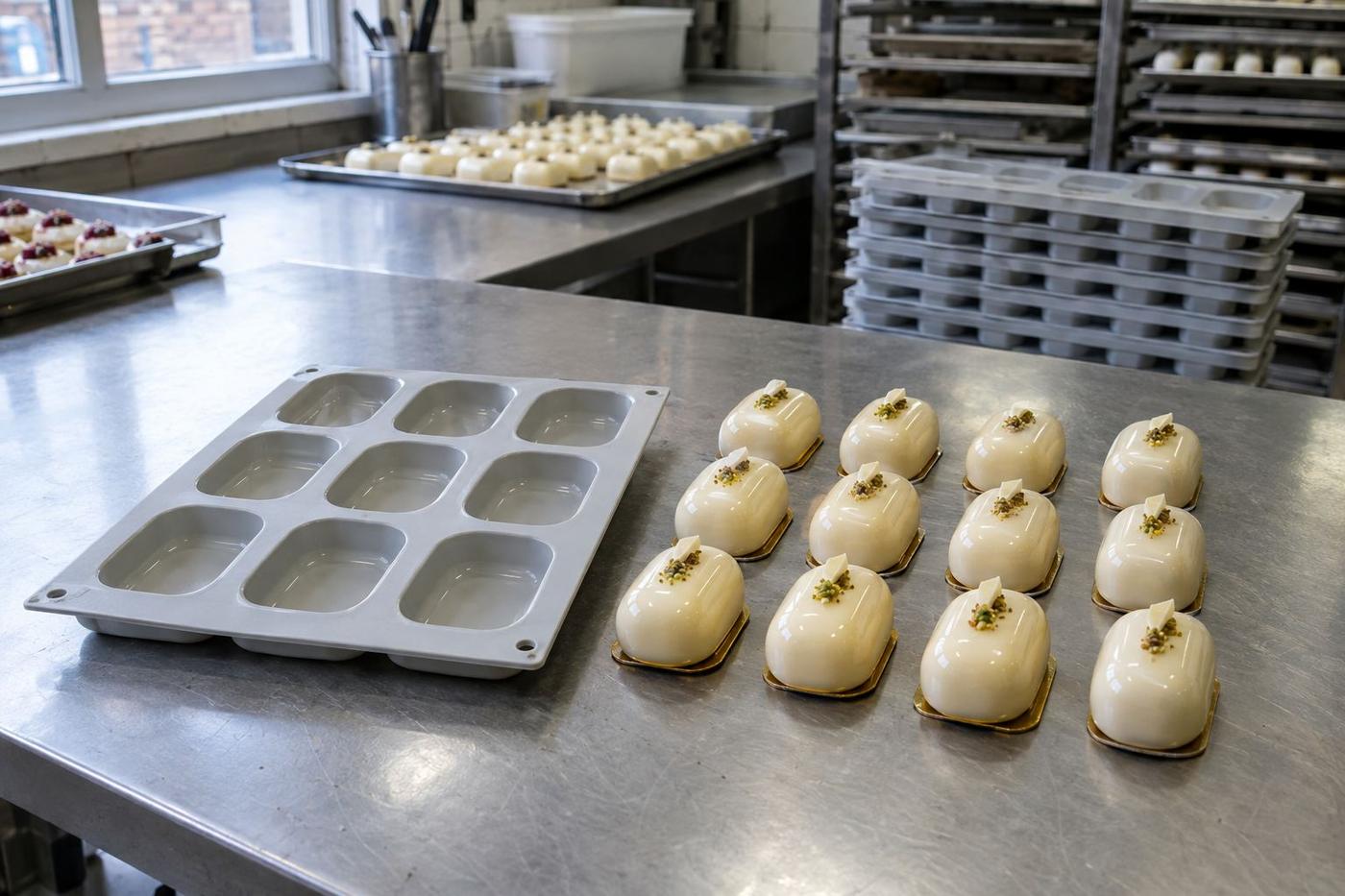
A signature quenelle mould for a plated dessert, one cavity on a hand-poured tray.
See project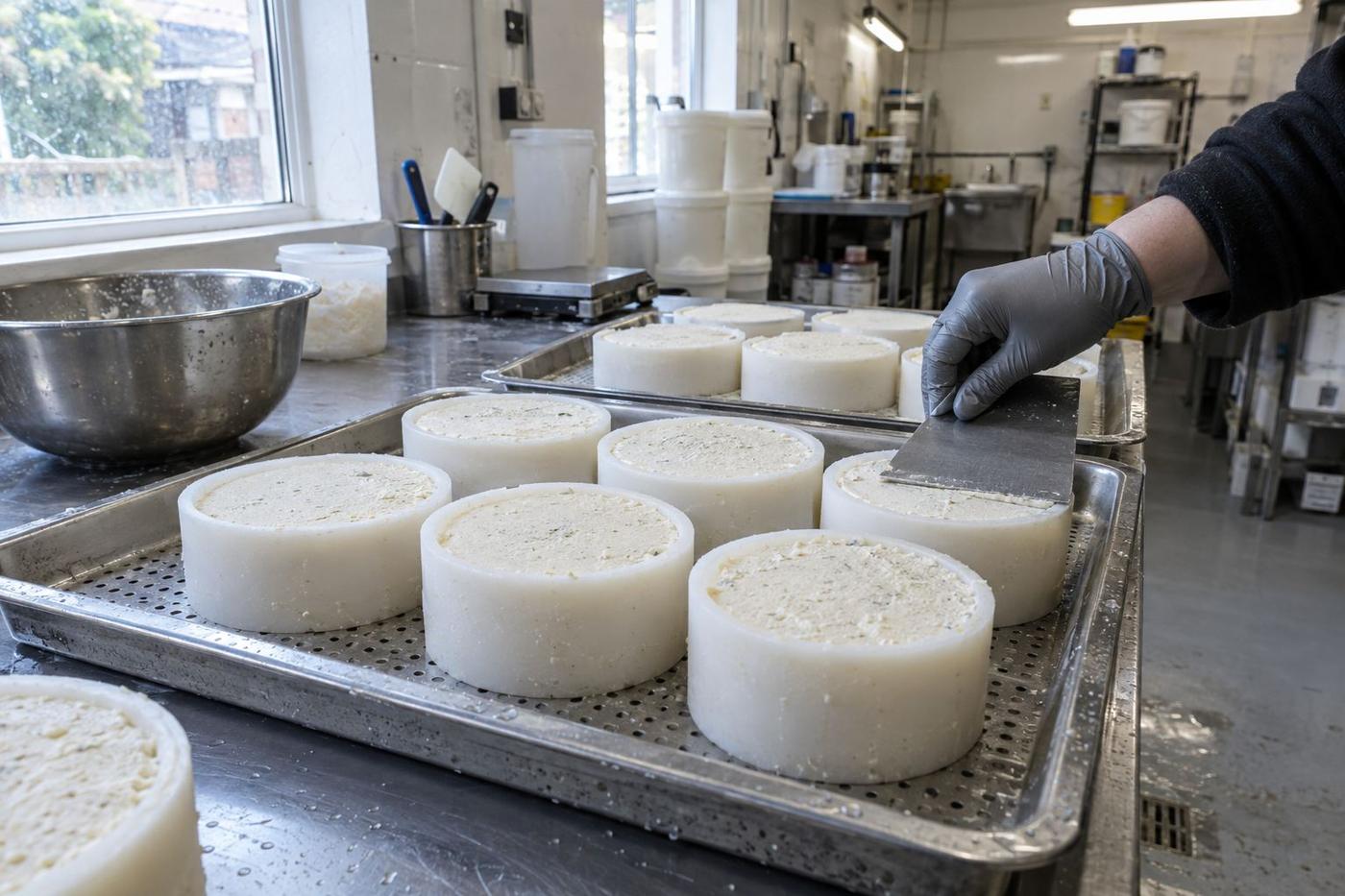
A cheese-wheel silicone mould for a vegan brand's hero SKU.
See projectA slim insert mould for a layered dessert's fruit compote centre.
See projectAt a glance
How a production tray is laid out
Swipe to see the whole diagram
How a food mould gets made
Swipe to see the whole diagram
Questions
Depends on complexity. A single hand-poured cavity turns around quickly; scaled tooling around a chef sign-off takes longer. We'll give an honest lead time at enquiry.
For a single hand-poured cavity, no — quoting is the sketch stage. For scaled tooling with multiple sign-offs, that becomes a design fee, and we're transparent about it.
Yes, by agreement. Say so at enquiry stage.
The mould shape is your IP. We can hold the master on file exclusively for you.
Ready?
Send a photo, a sketch or a sample. We'll come back with a route and a quote.
Real people, a real workshop
No call centre and no middlemen. When you contact TCI Culinary, you speak to the team who design, build and check your mould.



 Thomas LaneManaging Director
 George PrestonDesign & Project Manager
 Kelly BallingerHead of Partnerships
 Jim AndertonProduction Manager
 TheodoreEmployee Welfare