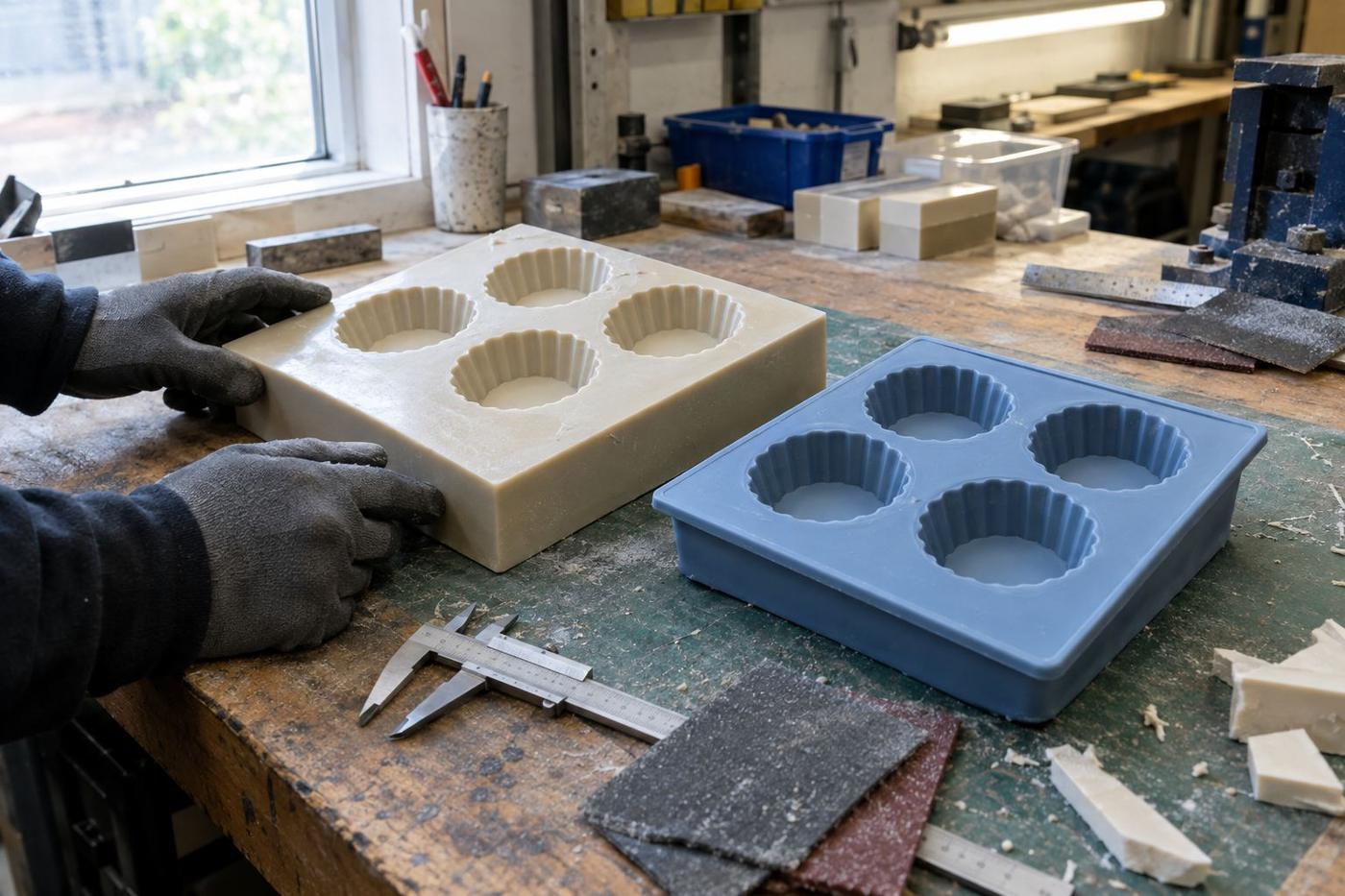
What the master is going to be
A functional part, a decorative form, a chef's sketch. Each drives a different pattern-making route.
Service · master pattern
Every silicone mould starts as a positive. That positive — the master pattern — decides how good the mould can be.
Overview
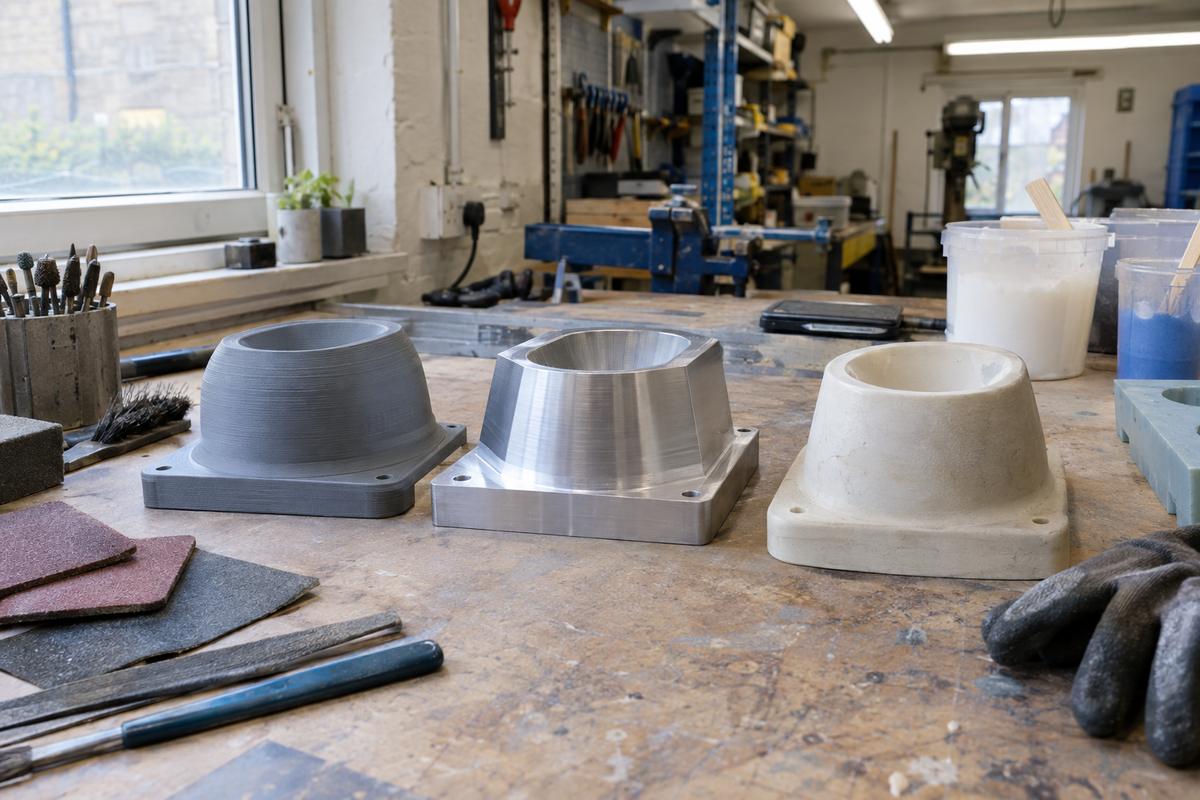
A silicone mould is only ever as good as the master pattern it was cast from. Detail on the pattern becomes detail in the mould. Errors on the pattern become errors on every part.
We produce master patterns for food-contact moulds using 3D printing, CNC machining, and hand-finishing. Then we cast them in food-contact silicone. One workflow, one accountable engineer, no handoffs.
What we make
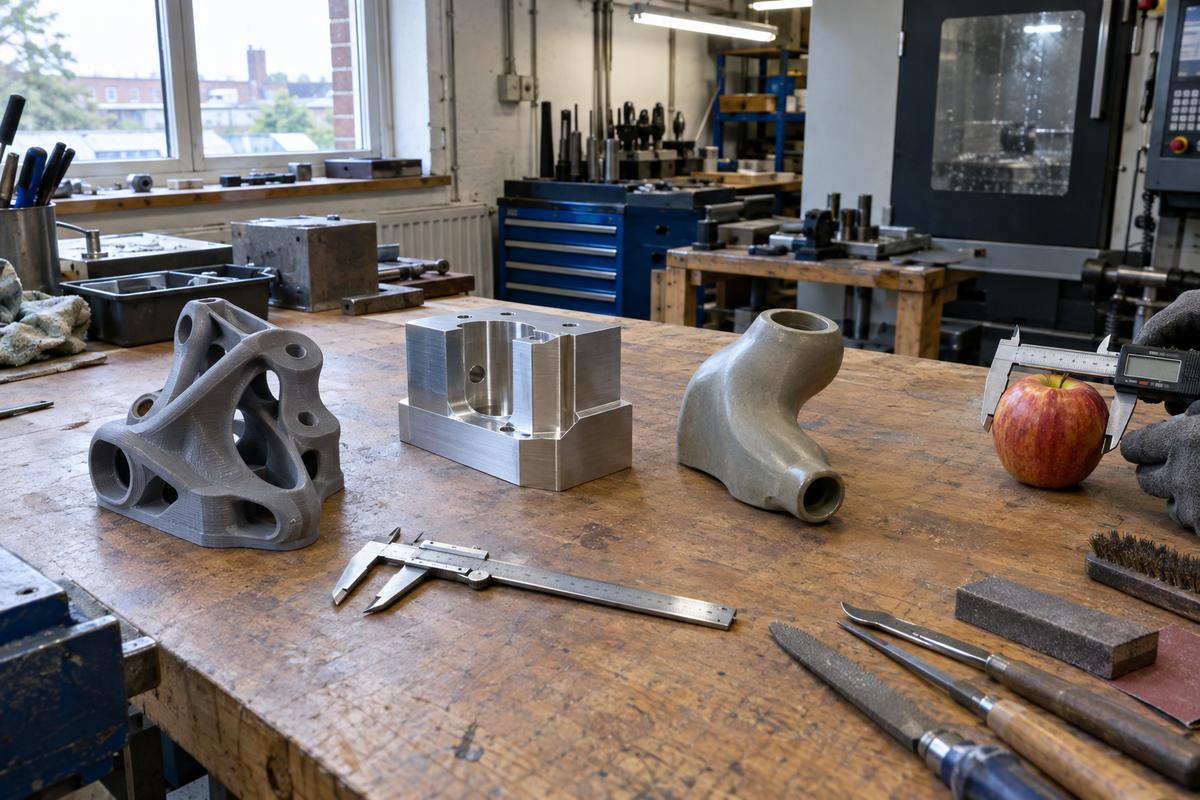
Rapid-turnaround masters for complex geometry. Post-finished so the mould surface reads clean rather than layered.
Machined masters for precise geometry, straight edges, and repeatable feature sizes.
A hand touch on prints or machined blanks, so the mould carries a considered finish rather than a machine mark.
Lift the geometry from a physical part you already have. Send the part, we cast the mould.
The master is kept on file, so a replacement tool doesn't need a fresh master.
How it gets made
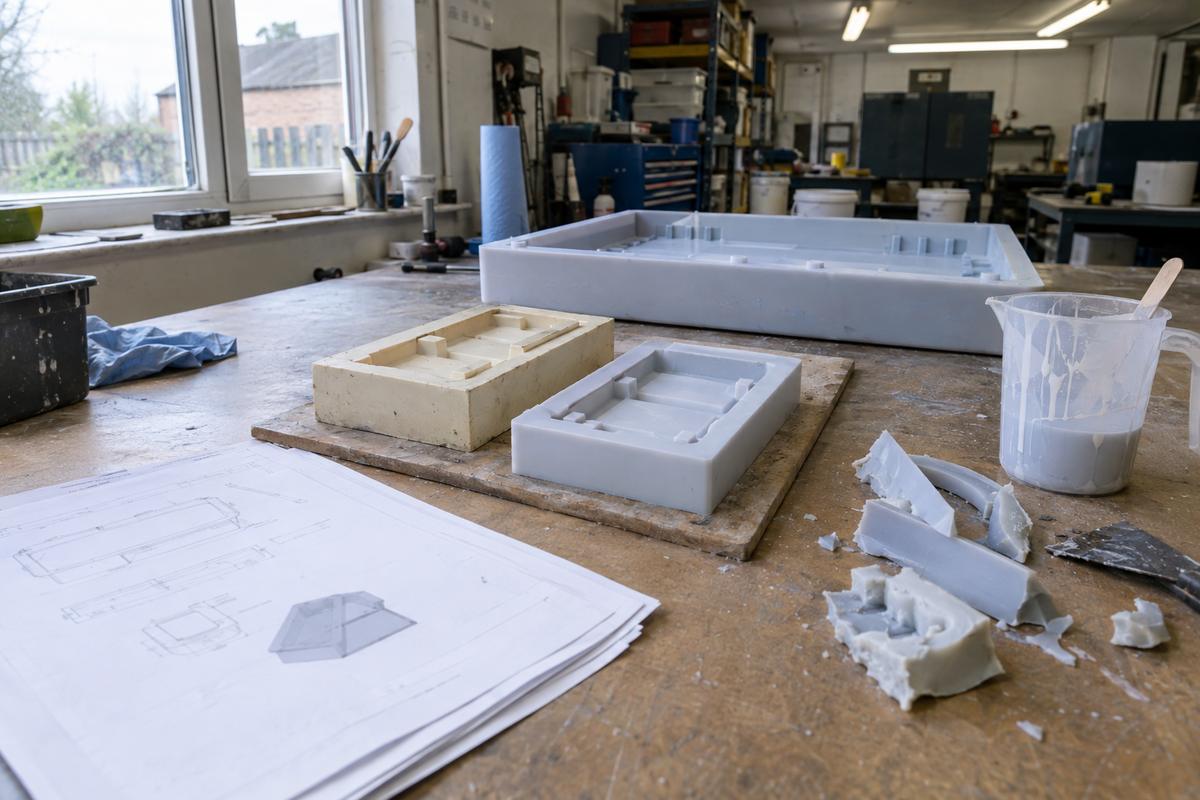
Every mould starts as a drawing we agree with you. We make a master, pour a single proof cavity in PFAS-free platinum-cure food-grade silicone and let you test it with your own recipe.
Once you are happy, we pour or press the full tray, record the grade against your order and keep the drawing on file for reorders.
What we ask up front
A functional part, a decorative form, a chef's sketch. Each drives a different pattern-making route.
Matte, satin, polished. The finish on the master carries into every silicone mould poured from it.
The smallest feature that must read on the finished product drives pattern-making resolution.
Some pattern resins don't play nicely with food-contact silicones. We spec around that.
Typical work
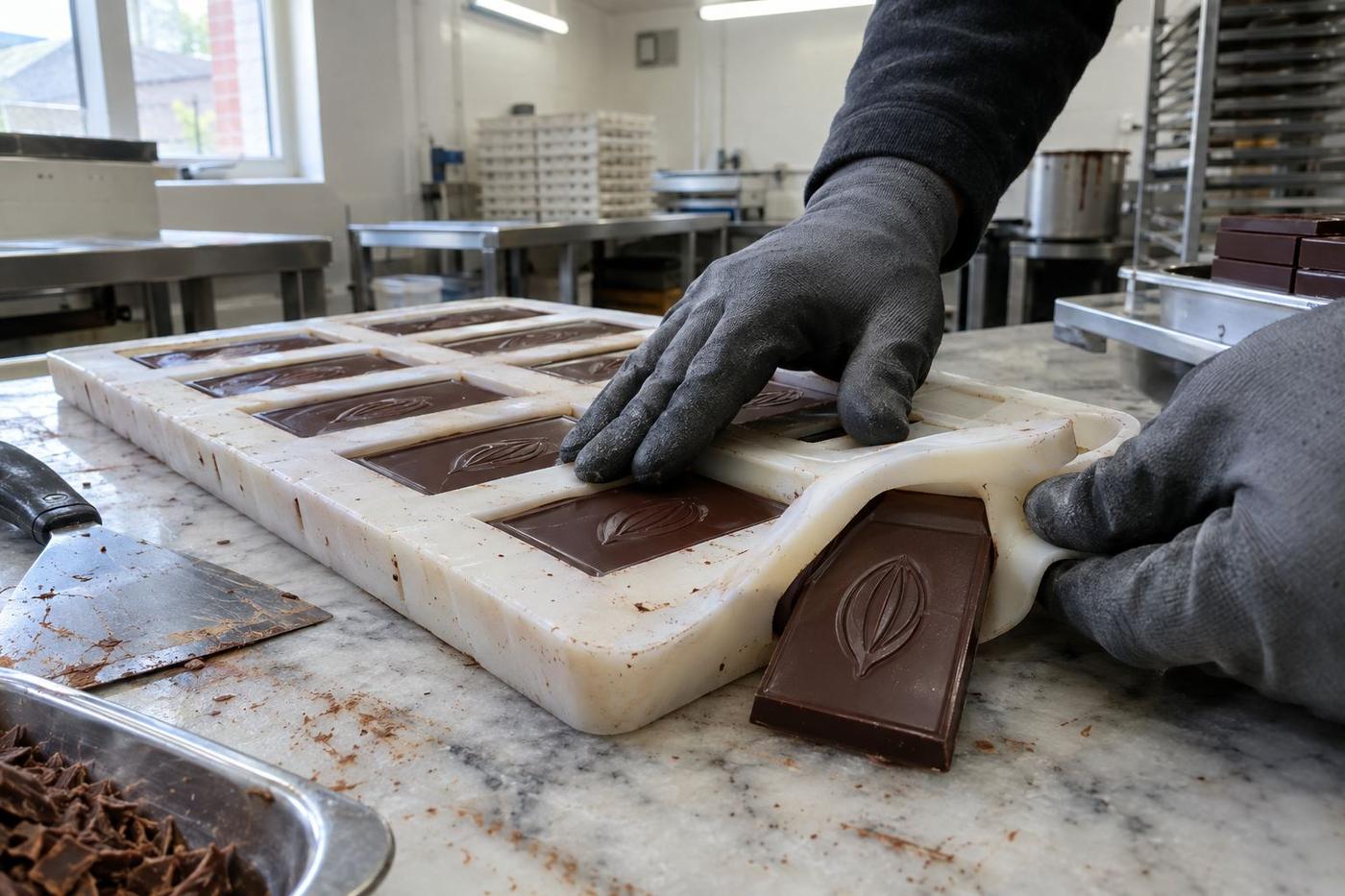
A 3D printed and hand-finished master for a chocolatier's signature bar with a moulded logo.
See project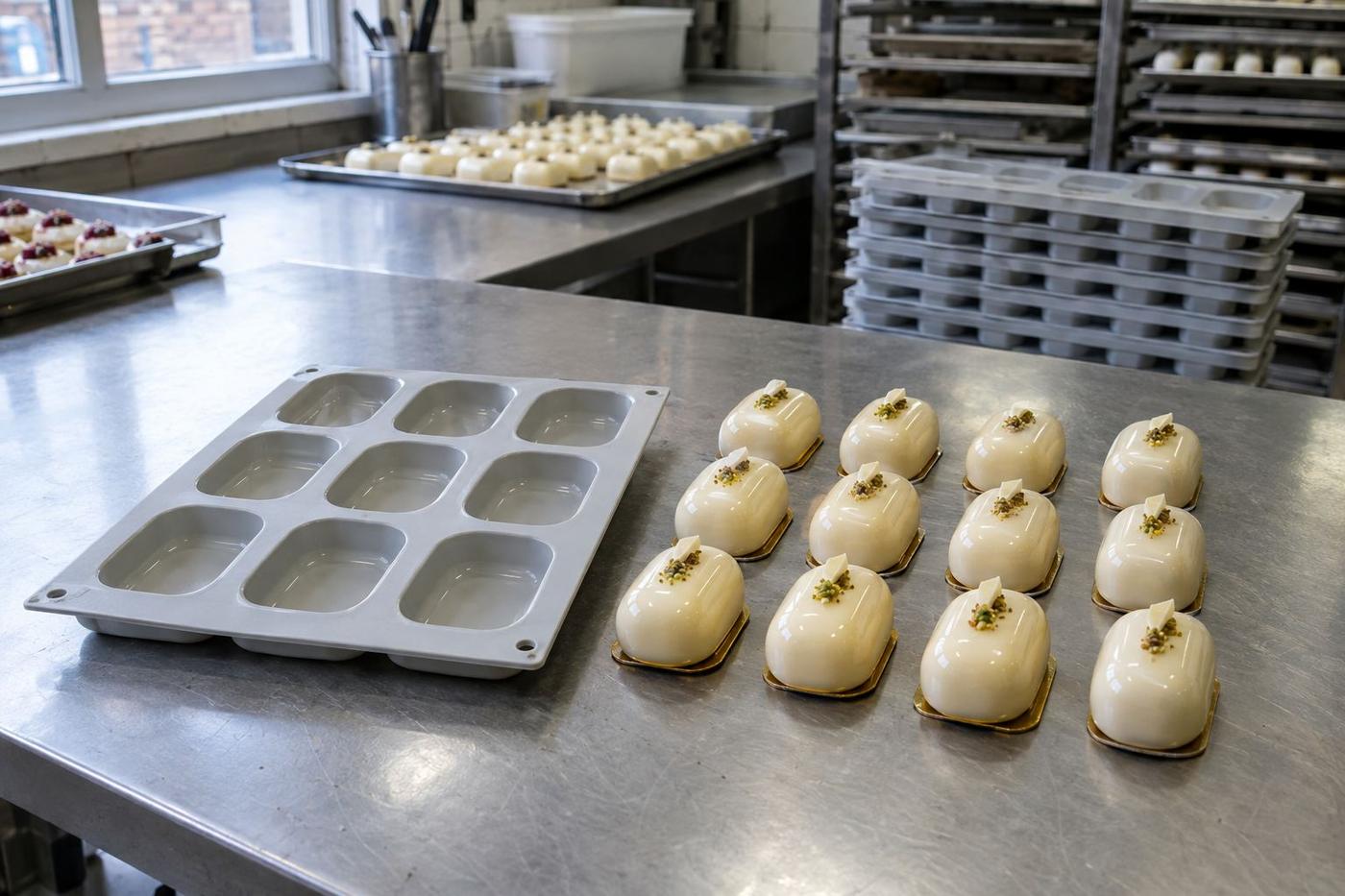
A CNC-machined master for a mousse entremet dessert, giving straight edges and a defined shoulder radius.
See project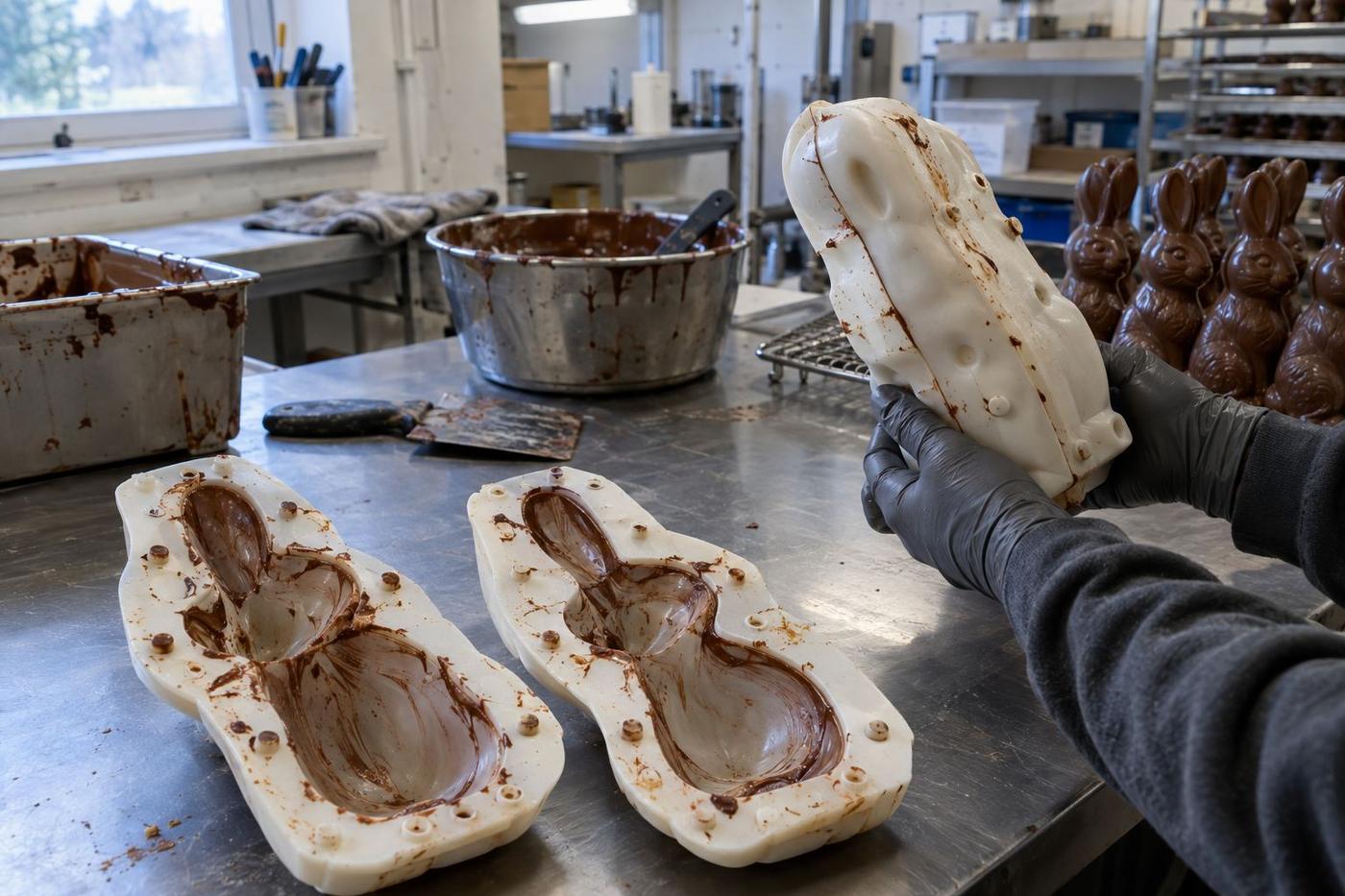
A hand-finished master for a two-part hollow bunny mould, tuned so registration lines read clean.
See projectQuestions
Yes — by default. If you reorder the mould, we don't need to rebuild the master.
Yes. Send it in and we'll check it's cast-ready before we pour.
Some print resins and some materials inhibit silicone cure. We handle that at pattern-prep stage.
Yes. Every silicone mould poured off it inherits that finish. Time spent finishing the master pays back on every cavity.
Ready?
Send a photo, a sketch or a sample. We'll come back with a route and a quote.
Real people, a real workshop
No call centre and no middlemen. When you contact TCI Culinary, you speak to the team who design, build and check your mould.



 Thomas LaneManaging Director
 George PrestonDesign & Project Manager
 Kelly BallingerHead of Partnerships
 Jim AndertonProduction Manager
 TheodoreEmployee Welfare