CAM
Programme toolpaths from the 3D model.
Manufacturing services · Chapter C · Method 13
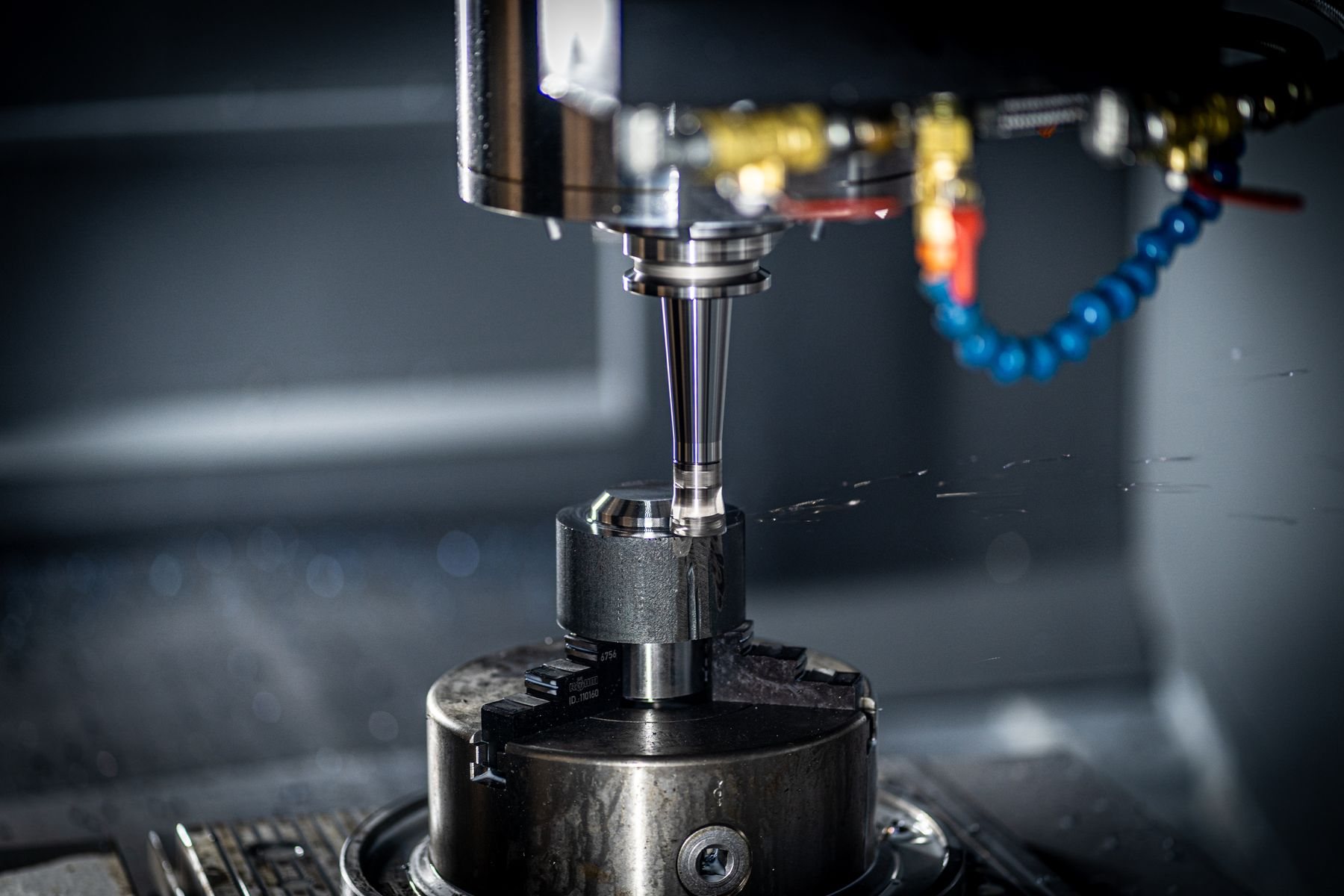
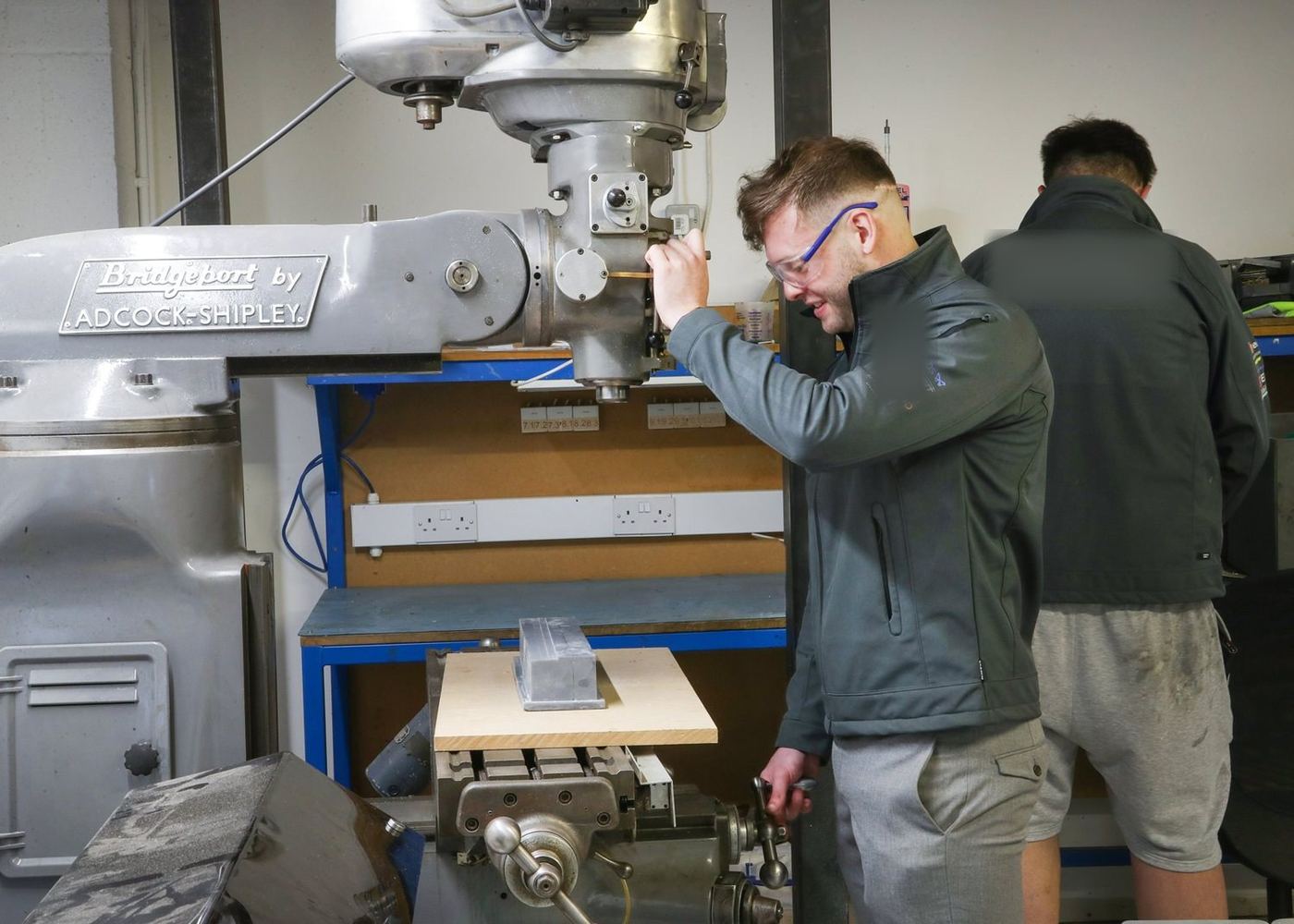
Rotating cutters remove material from a fixed block under computer control. Used for master patterns, mould tools and finished parts.
How it works
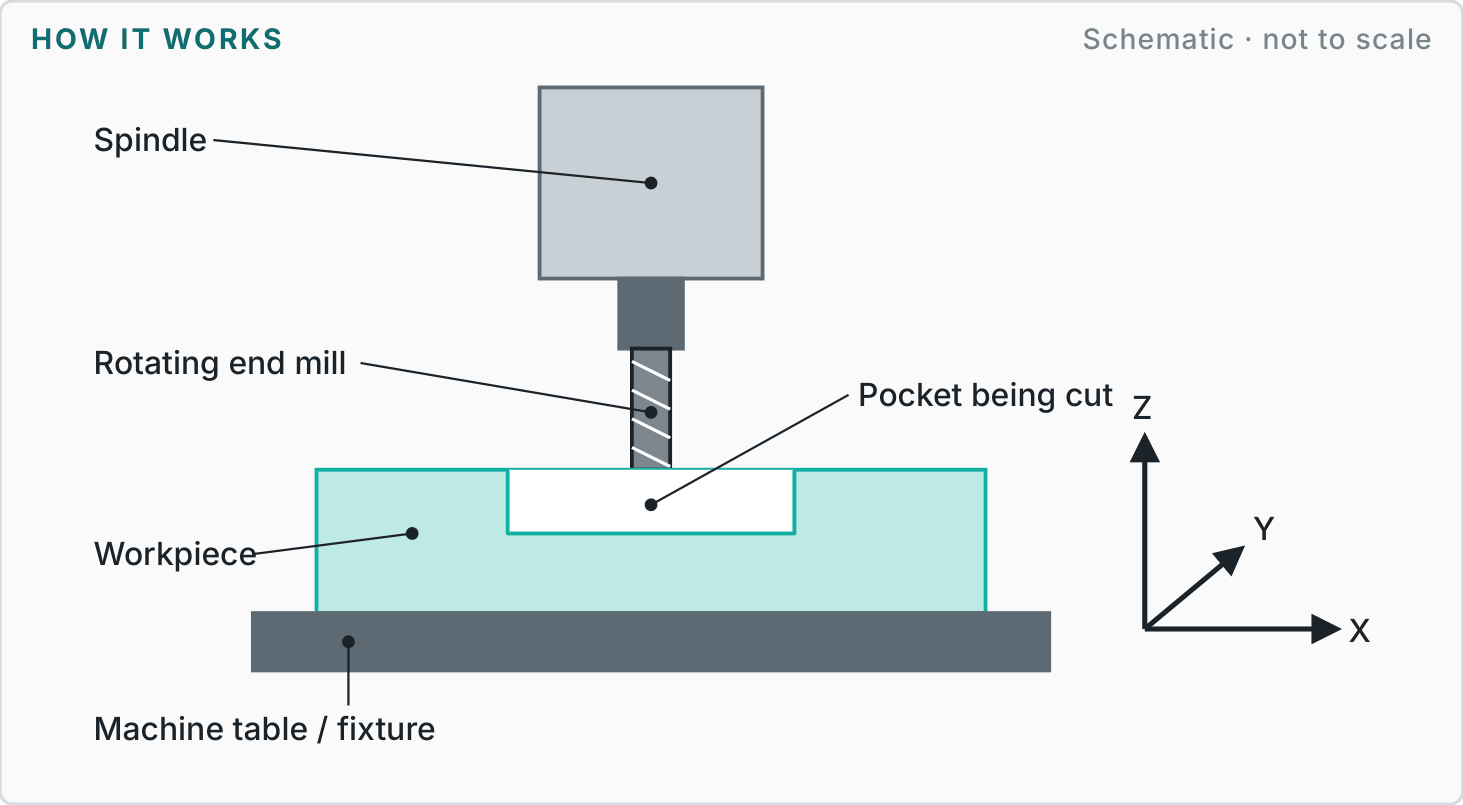
A labelled schematic of the process (not to scale), and the four steps every job goes through.
Programme toolpaths from the 3D model.
Clamp stock in a vice or custom fixture.
Rough, then finish with smaller cutters.
Break edges, deburr and measure.
Reference figures
Typical industry values to help you plan. We agree the figures for your part on the drawing.
| Materials | Aluminium, steel, stainless, brass, copper, titanium; plastics such as POM, nylon, PEEK, PTFE and acrylic; tooling board. |
|---|---|
| Finishes | As machined, bead blasted, anodised, powder coated, plated or polished. |
| Design guidance |
|
| Best suited to | Mould tools, master patterns, brackets, housings and precision prototypes. |
| Watch-outs | Deep pockets and thin walls raise cost; sharp internal corners are not possible. |
More in chapter C
Next step
Send a sketch, photo, sample or CAD file with your quantity and target date. We will recommend the most sensible route and explain the trade-offs before quoting.
Reference figures are typical published industry values for planning, not a guarantee; final tolerances, materials and finishes are agreed in writing for each project.