Spot
Spot drill to locate the hole accurately.
Manufacturing services · Chapter C · Method 16
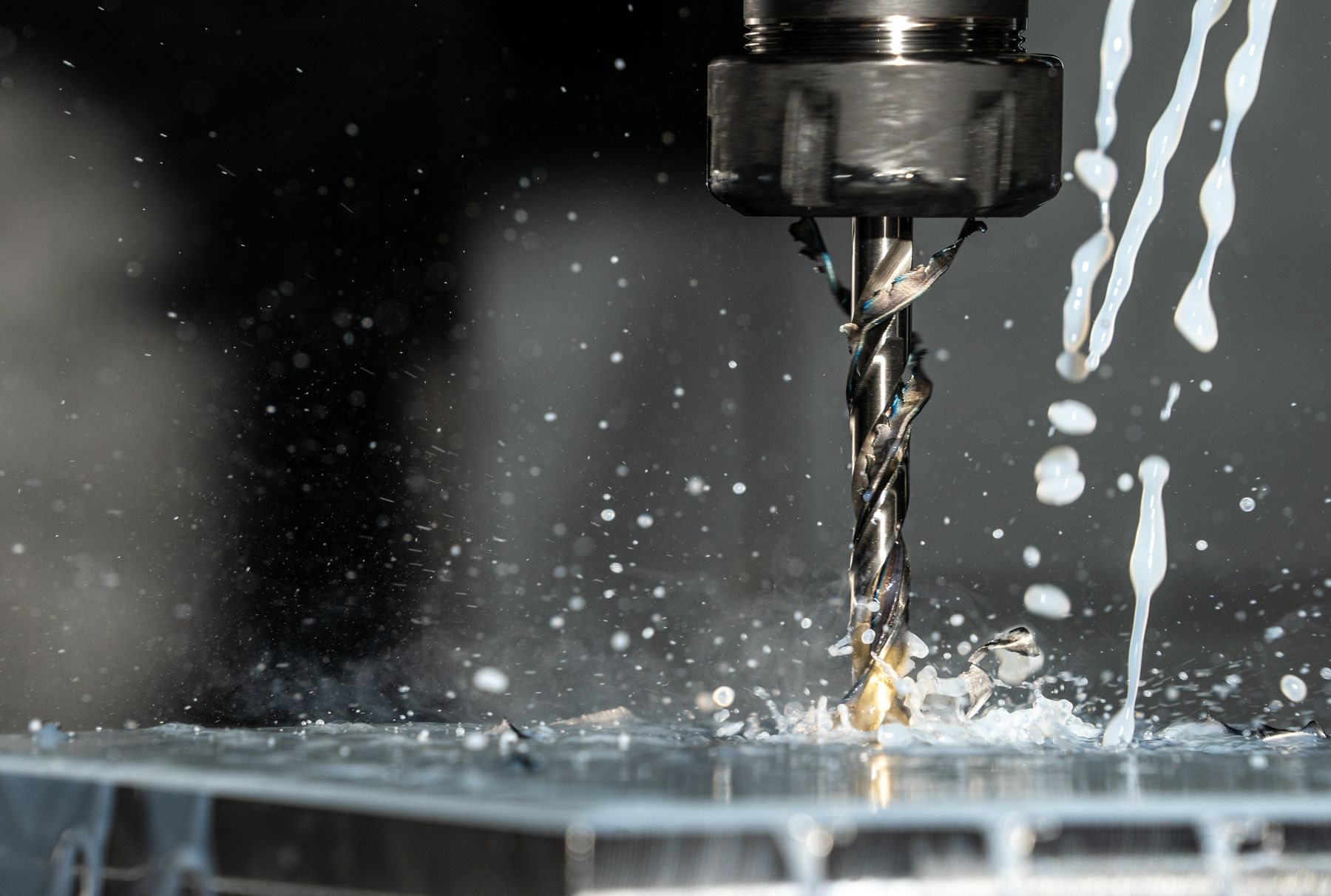
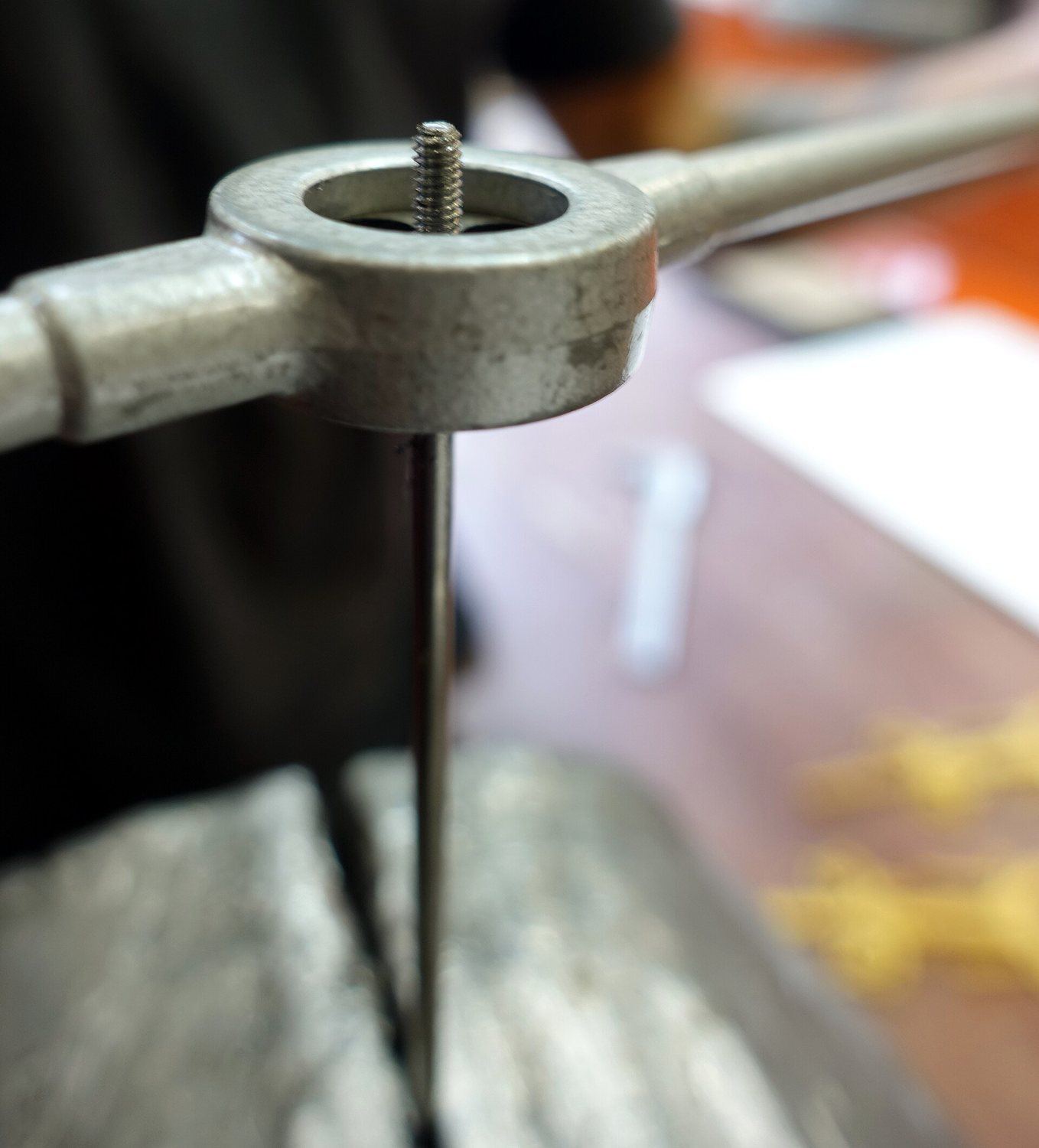
Holes are drilled, reamed or bored and then threaded with taps or thread mills, either on a CNC machine or as a dedicated operation.
How it works
A labelled schematic of the process (not to scale), and the four steps every job goes through.
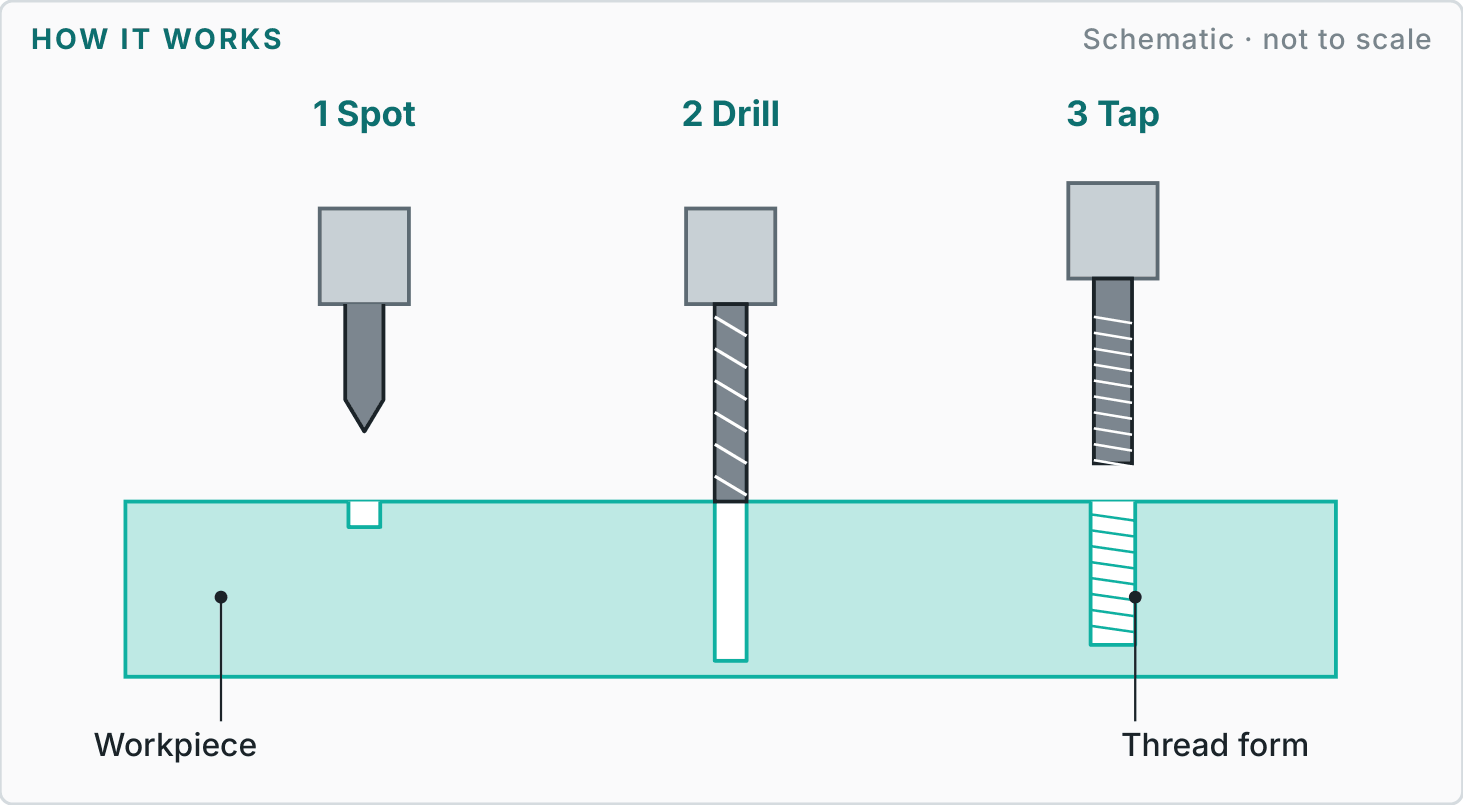
Spot drill to locate the hole accurately.
Drill to tapping size, or ream for precision.
Tap or thread-mill to the specified class.
Gauge threads with go/no-go gauges.
Reference figures
Typical industry values to help you plan. We agree the figures for your part on the drawing.
| Materials | All machinable metals and plastics; inserts (helical or threaded) for soft materials. |
|---|---|
| Finishes | Countersunk or counterbored; deburred as standard. |
| Design guidance |
|
| Best suited to | Fixing points, manifolds, mould tools and assemblies. |
| Watch-outs | Small, deep tapped holes risk tap breakage and cost more. |
More in chapter C
Next step
Send a sketch, photo, sample or CAD file with your quantity and target date. We will recommend the most sensible route and explain the trade-offs before quoting.
Reference figures are typical published industry values for planning, not a guarantee; final tolerances, materials and finishes are agreed in writing for each project.